Plate Milestones

How many plates can you lift? Track your progress toward the classic 1/2/3/4 plate club. Plates, wheels, 45s, blues. Whatever you call them, plates get dates.
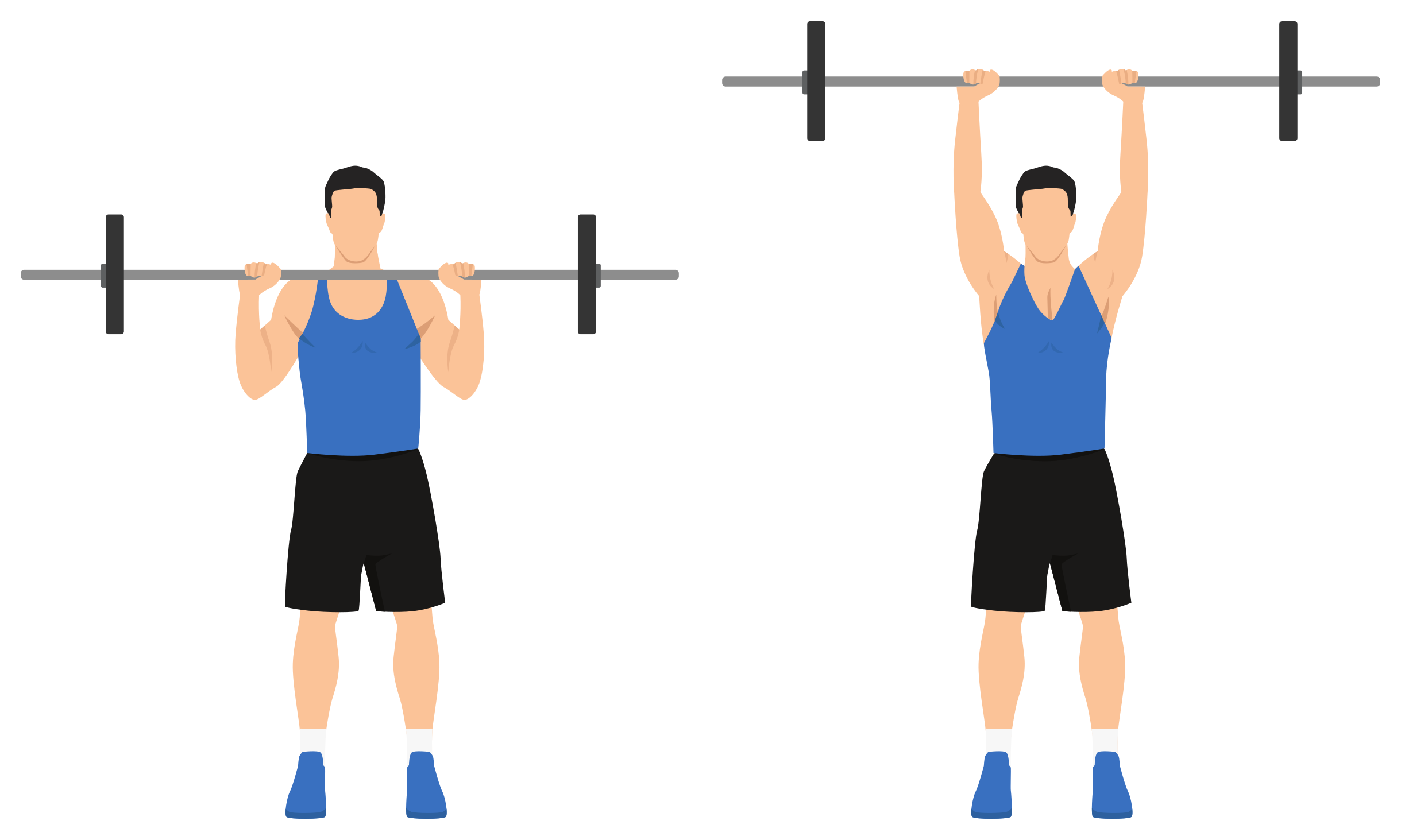
Strict Press illustration
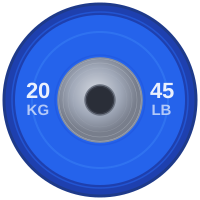
20 kg plate
40 lb to go
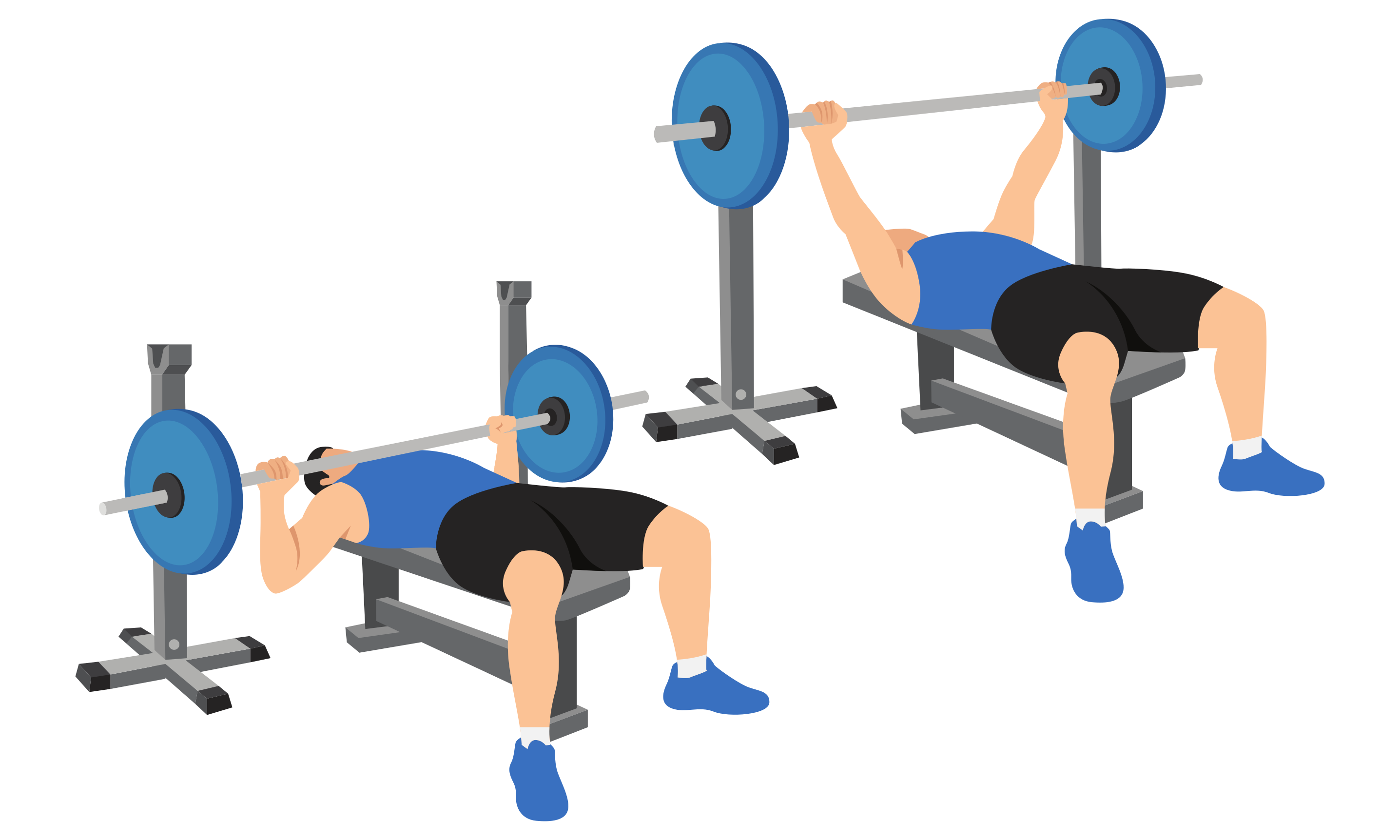
Bench Press illustration
20 kg plate20 kg plate
70 lb to go
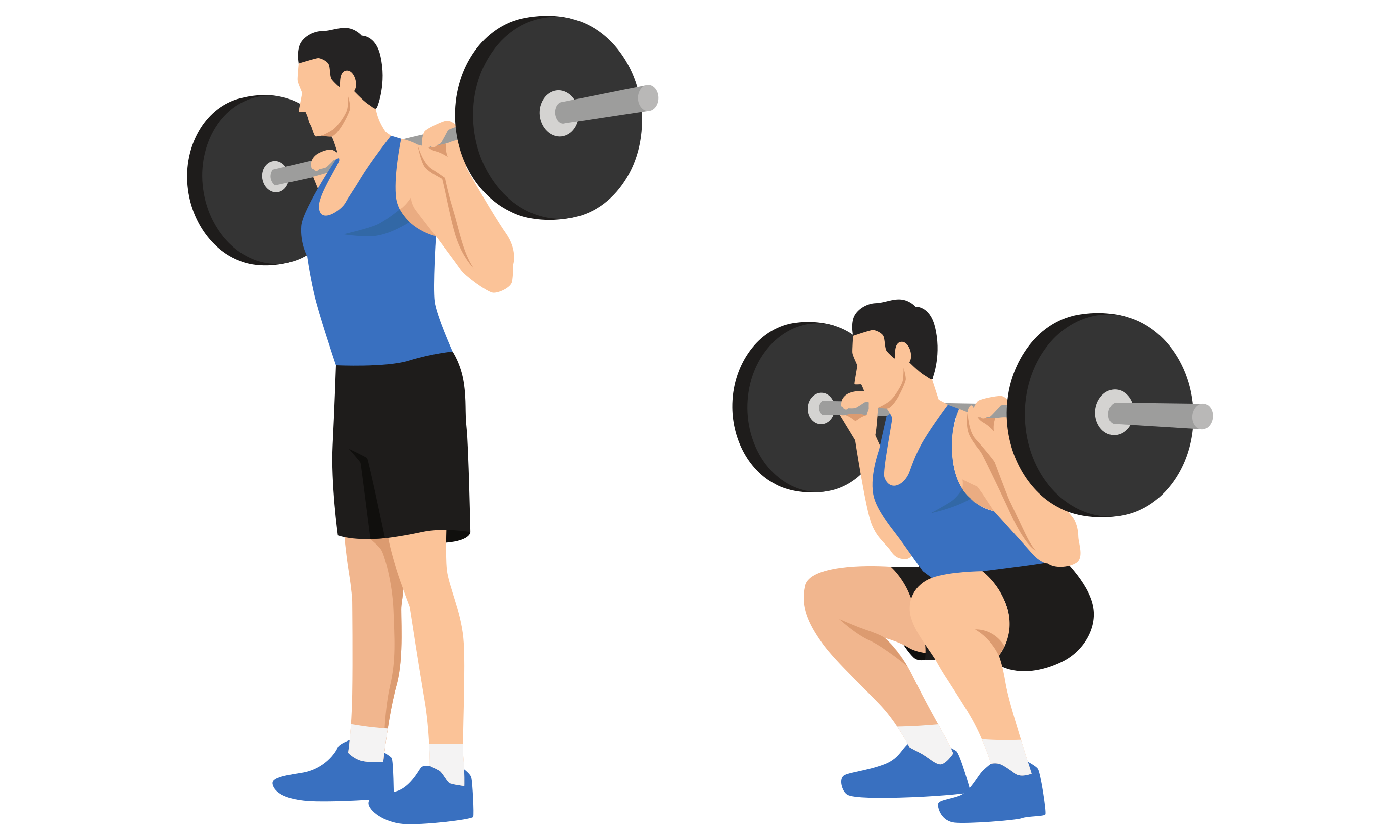
Back Squat illustration
20 kg plate20 kg plate20 kg plate
90 lb to go
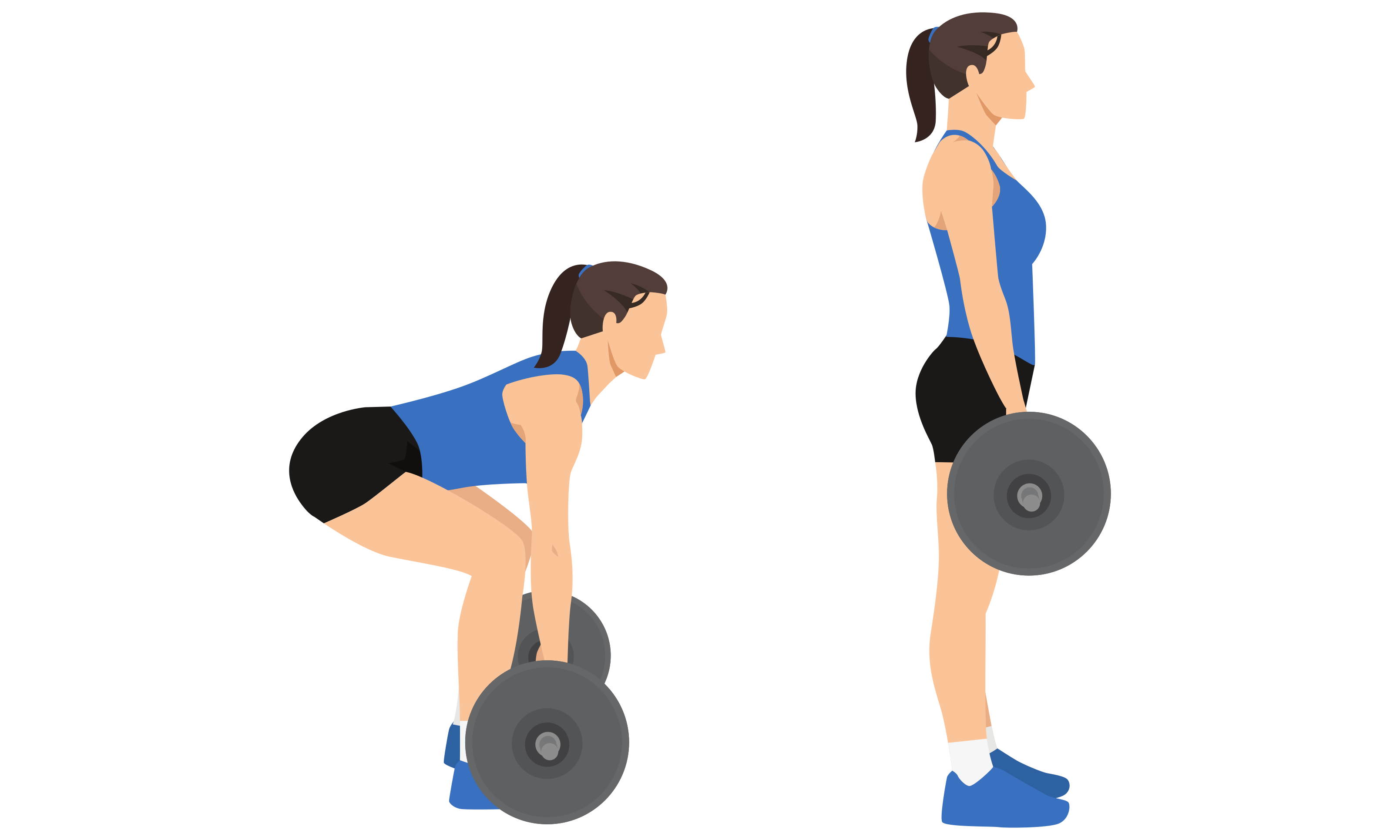
Deadlift illustration
20 kg plate20 kg plate20 kg plate20 kg plate
Deadlift275 lb
130 lb to go
Plate Tiers5/10
0 of 4 classic milestones achieved
Useful?

Plate loading reference

Plates per sideTotal (lb)Total (kg)Gym talk
1 plate135 lb60 kg"Got my first plate"
2 plates225 lb100 kg"Two wheels" / "two blues"
3 plates315 lb140 kg"Three plates" / "three wheels"
4 plates405 lb180 kg"Four plates" / "four 45s"

Got your plates. What's next?

About plate milestones

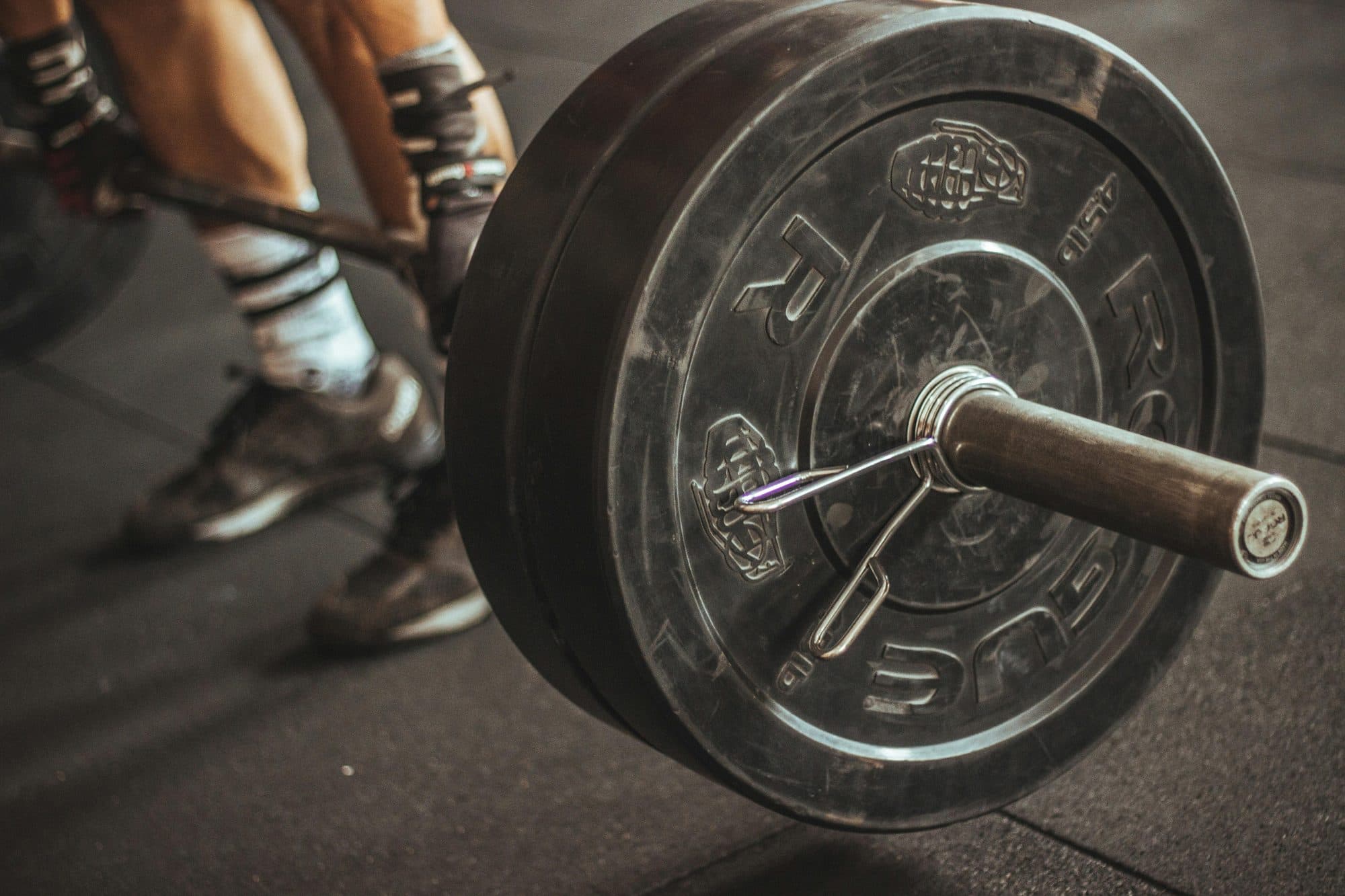
Counting plates is how lifters have measured progress since the first barbell was loaded. A plate means a standard 45 lb (20 kg) weight on each side of the bar. One plate per side totals 135 lb (60 kg). Two plates: 225 lb (100 kg). Three: 315 lb (140 kg). Four: 405 lb (180 kg).

The 1/2/3/4 plate club sets the benchmark: a 1 plate strict press, 2 plate bench, 3 plate squat, and 4 plate deadlift. These targets scale naturally with the relative difficulty of each lift. Hitting all four marks you as a well-rounded, genuinely strong lifter.

Whether you call them plates, wheels, 45s, or blues, the satisfying clank of adding another full plate to the bar is a universal gym experience. Use the sliders above to see where you stand, then check your detailed standards with our Strength Levels page.

FAQ

What does "plates" mean in the gym?

A "plate" almost always means a 45 lb (20 kg) weight plate. When someone says they bench "two plates," they mean two 45 lb plates on each side of the bar, totaling 225 lbs (100 kg). The count is always per side. Also called wheels, 45s, or blues (from competition bumper plate colors).

What is the 1/2/3/4 plate club?

The 1/2/3/4 plate club means hitting a 1 plate strict press (135 lb / 60 kg), 2 plate bench (225 lb / 100 kg), 3 plate squat (315 lb / 140 kg), and 4 plate deadlift (405 lb / 180 kg). These are widely recognized milestones that map naturally to the relative difficulty of each lift.

How long does it take to hit a 2 plate bench?

For most male lifters training consistently, a 225 lb (100 kg) bench press takes 1 to 3 years. It depends on bodyweight, programming, and genetics. A 2 plate bench is a genuine intermediate milestone and worth celebrating when you get there.

Is a 3 plate squat good?

A 315 lb (140 kg) squat is a solid intermediate-to-advanced milestone. Most recreational lifters never reach it. If you squat 3 plates to depth, you are stronger than the vast majority of people who set foot in a gym.

How rare is a 4 plate deadlift?

A 405 lb (180 kg) deadlift puts you well into advanced territory. Most dedicated lifters can reach it within 2 to 4 years of serious training. It is the classic "big boy" milestone and the sound of four plates rattling off the floor is unmistakable.

Why are they called "blues"?

In competition bumper plates (used in Olympic weightlifting and CrossFit), the 20 kg plate is blue. Since 20 kg is essentially the same as 45 lbs, "blues" became shorthand for standard full-size plates. Other color names you might hear: reds (25 kg / 55 lb), yellows (15 kg / 35 lb), and greens (10 kg / 25 lb).

Do these milestones work for kg lifters?

Yes. A 20 kg plate is the metric equivalent of a 45 lb plate. One plate per side on a 20 kg bar is 60 kg; two plates is 100 kg; three is 140 kg; four is 180 kg. The milestones are universal.

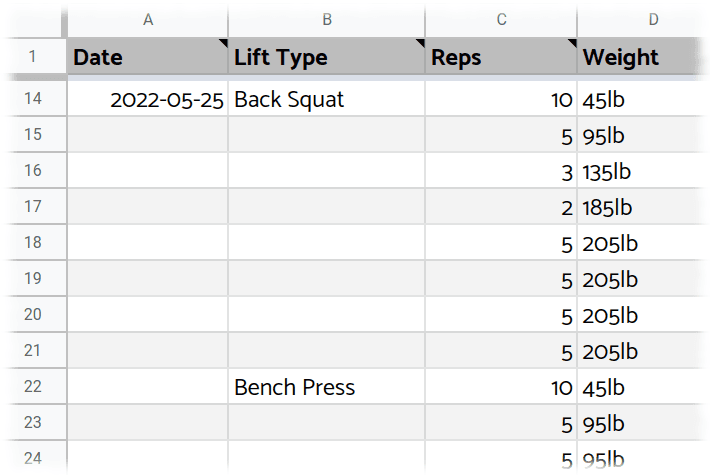
Google Sheets setup, simplified
Track the lifts that got you here. See what's next.
Sign in once and Strength Journeys sets up your lifting log โ€” then turns every session into PR history, e1RM trends, tonnage charts, and a full training dashboard.
๐Ÿ‹๏ธBuilt for serious lifting history โ€” not generic workout logging.
๐Ÿ“ŠEvery set becomes a data point: PRs, trends, and session recaps.
๐Ÿ”’Your data lives in your own Google Sheet โ€” nothing stored on our servers.

Free forever. No app to install. Your data lives in your own Google Sheet โ€” your data stays in your own sheet.

Already have lifting data? Import a CSV to explore the app instantly.

The spreadsheet we set up for you

Clean rows. Fast logging. Built to age well.

Preview design
Preview of the Strength Journeys Google Sheets lifting log design

Learn more about strength milestones, plate loading, and training strategies in our articles below.